





Pomegranates - Many Varieties
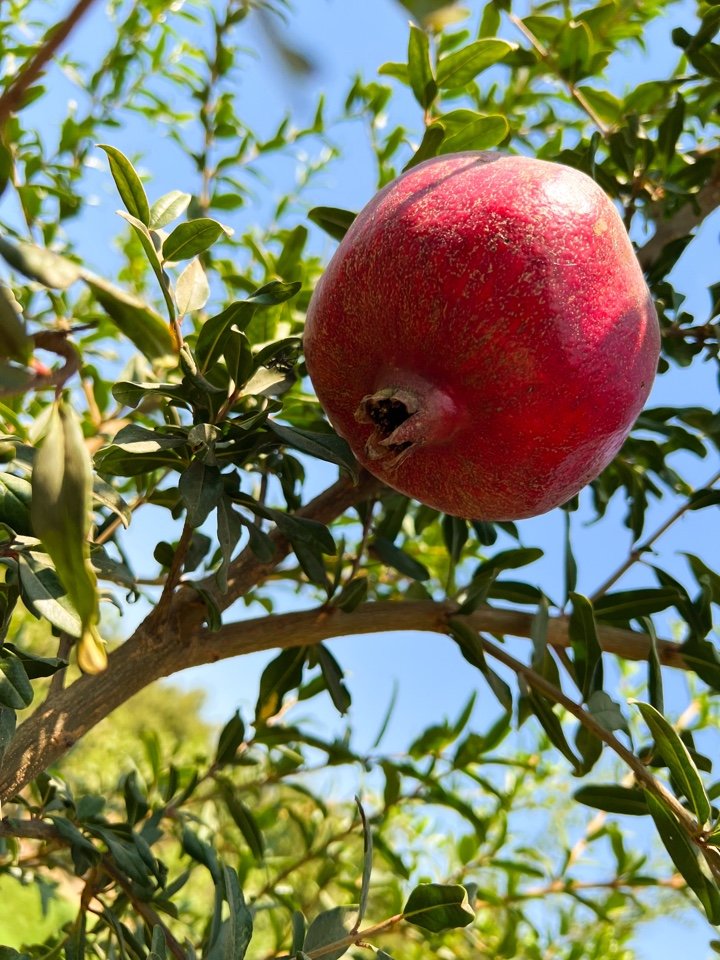
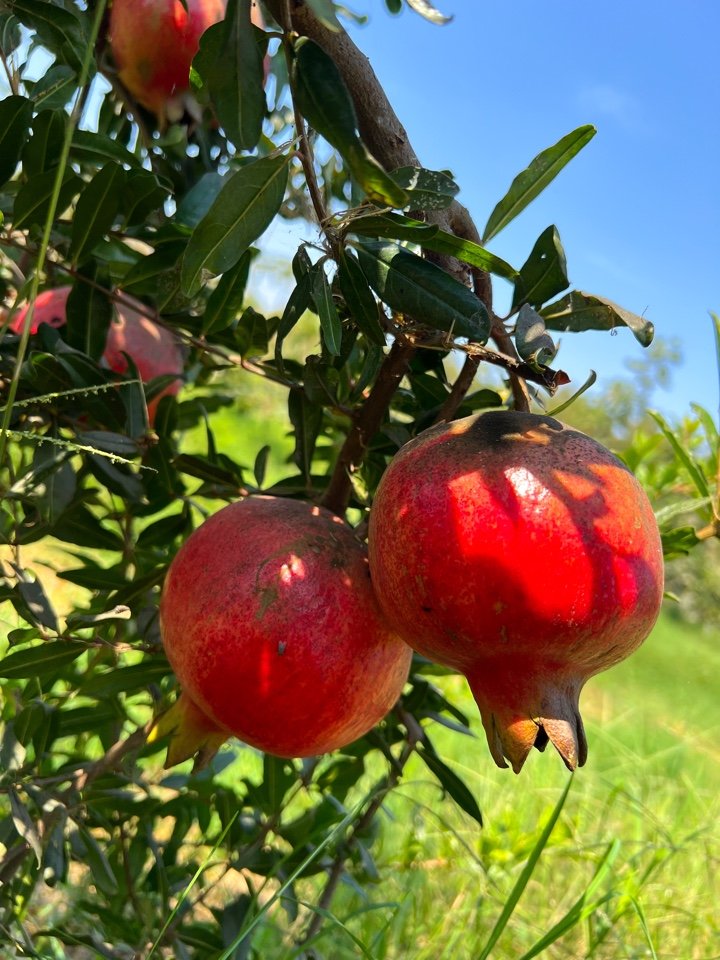
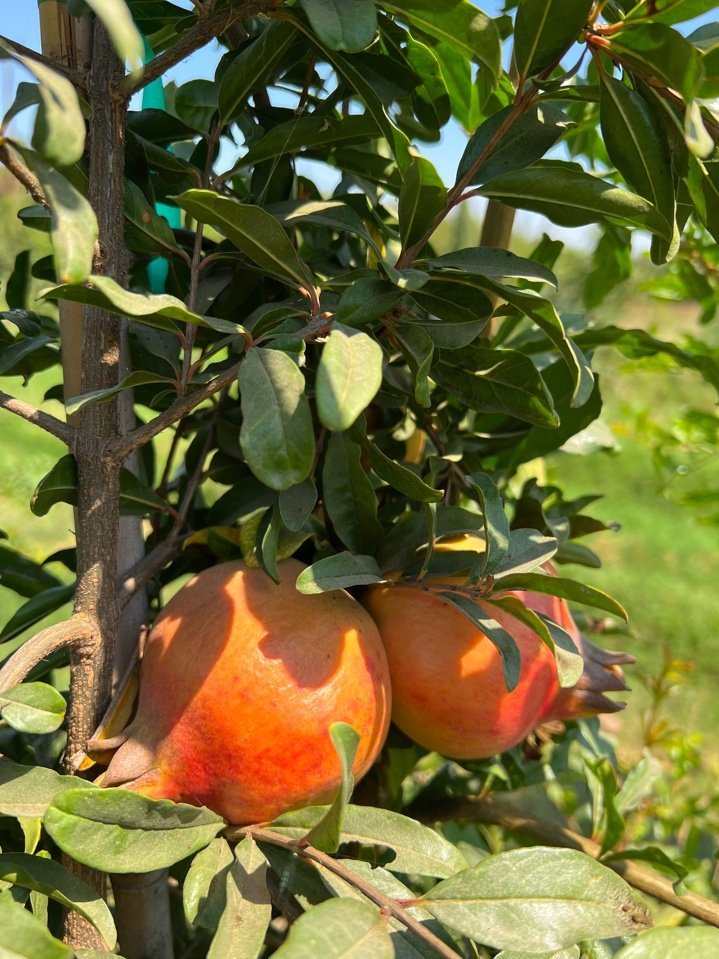
Pomegranates are an amazing fruit tree native to central Asia. They do best in mediteranian climates but can survive further north with careful management. We currently offer 9 varieties of pomegranate and are always on the lookout for more.
Pomegranates are self-fertile, meaning you only have to plant one to get fruit, but two plants can help increase pollination and fruit production.
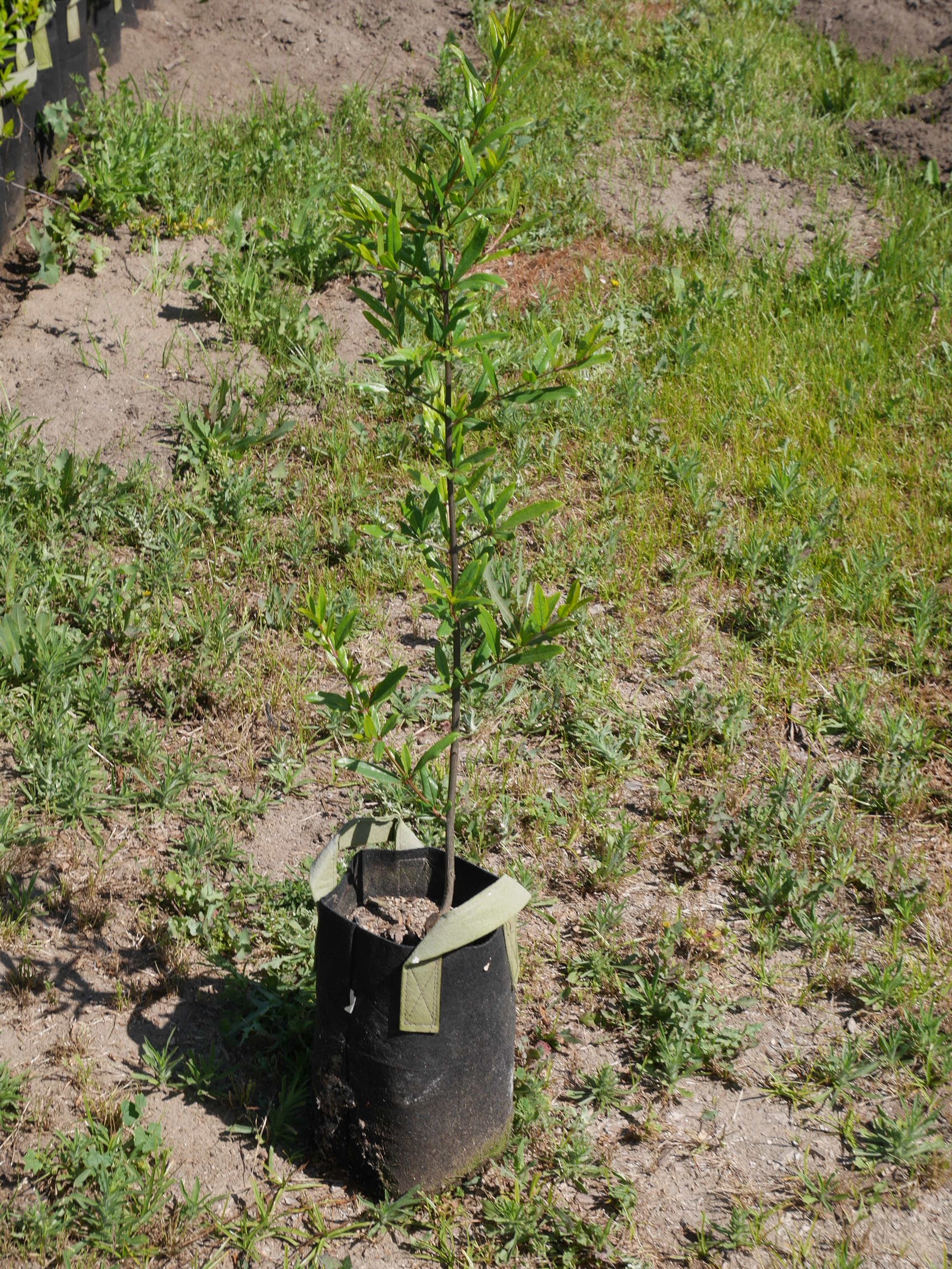
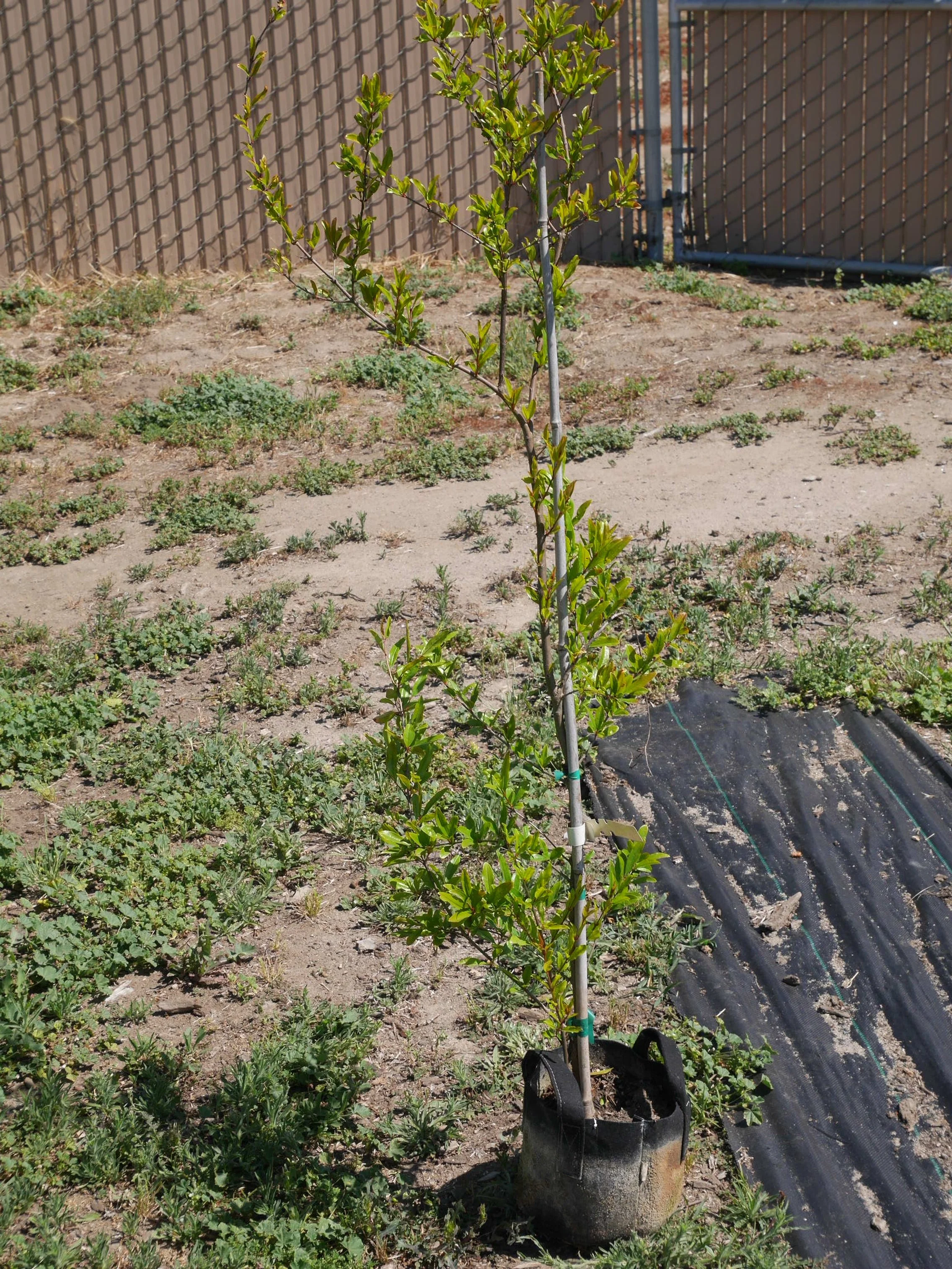
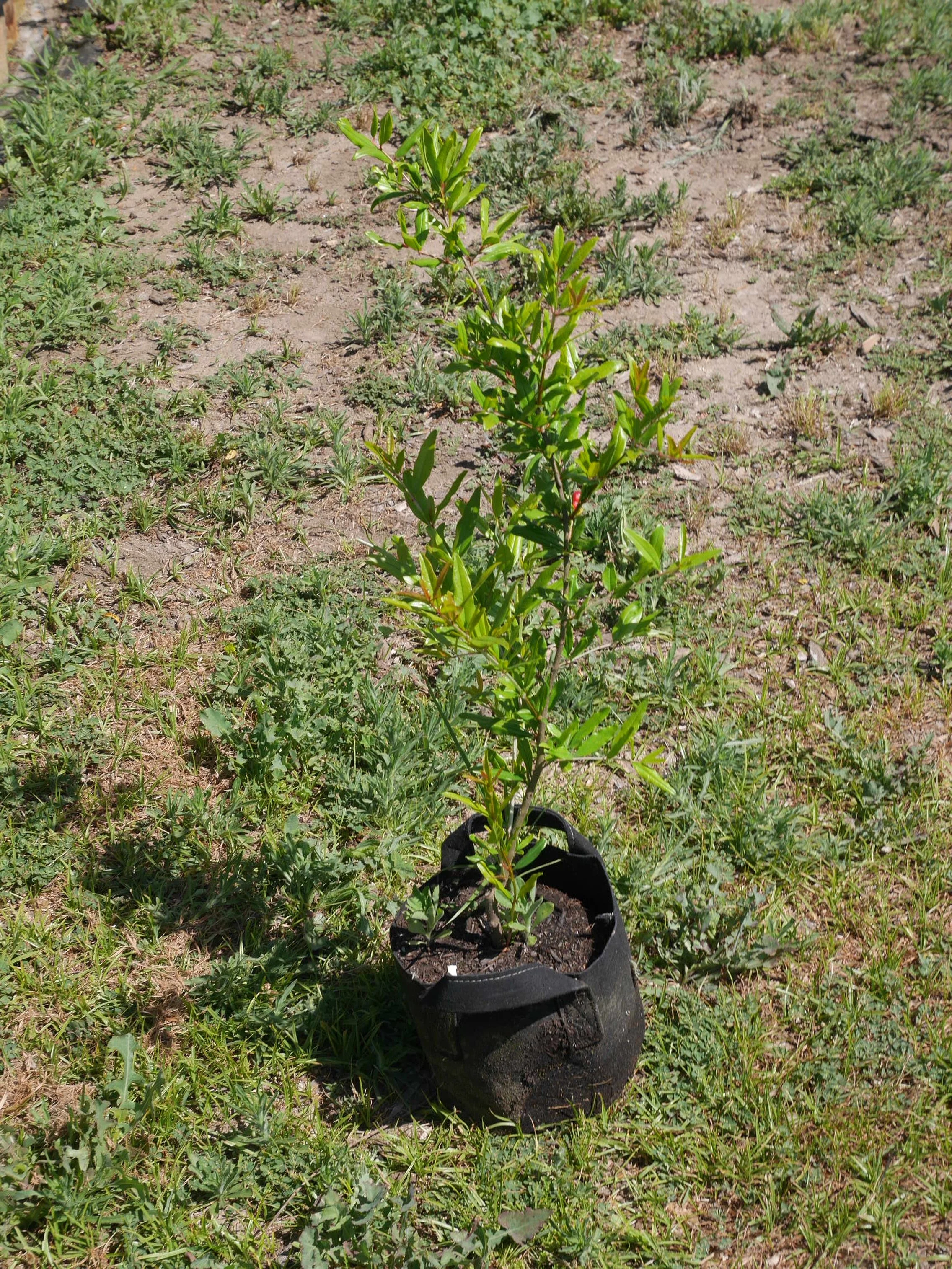
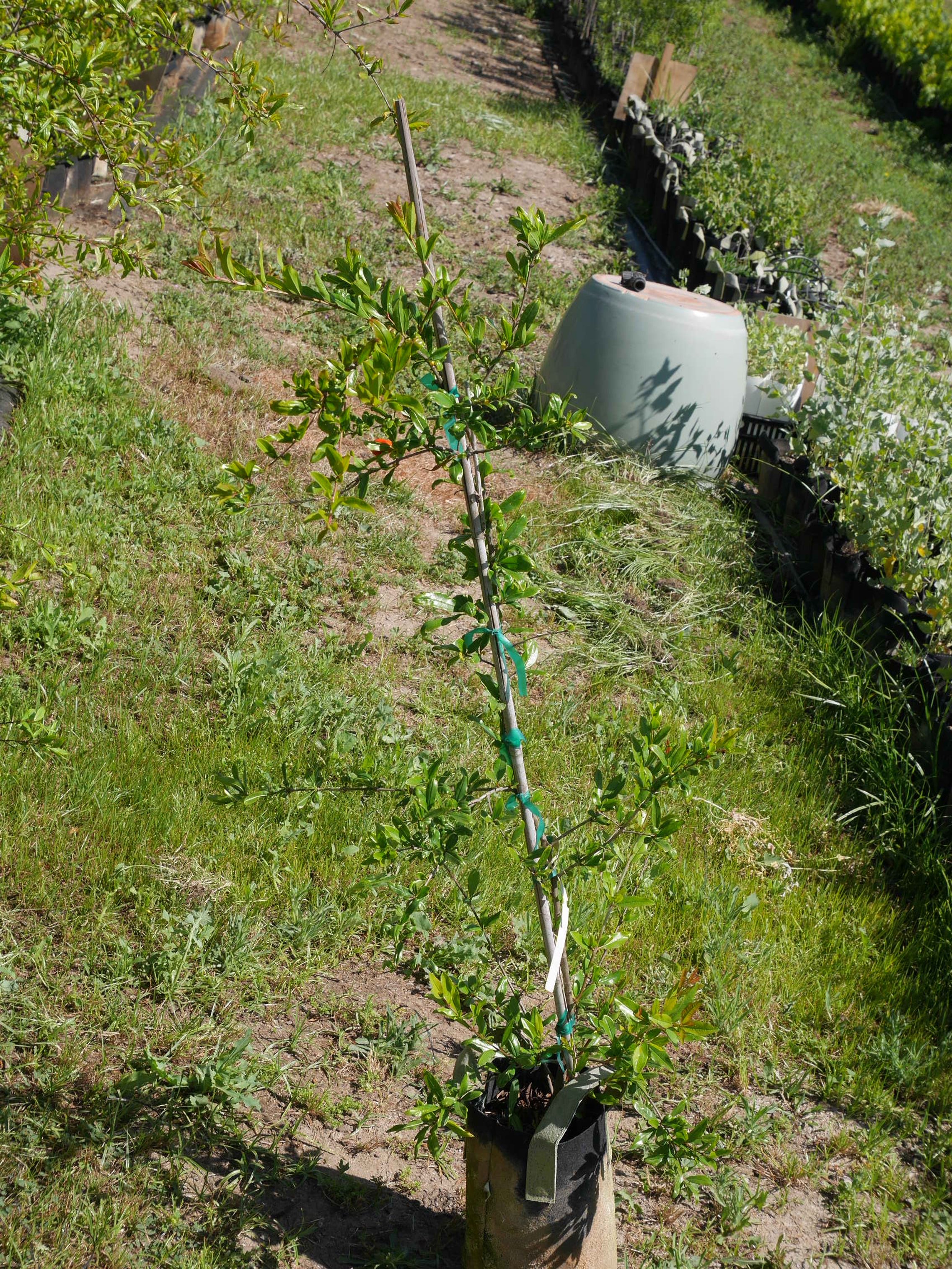
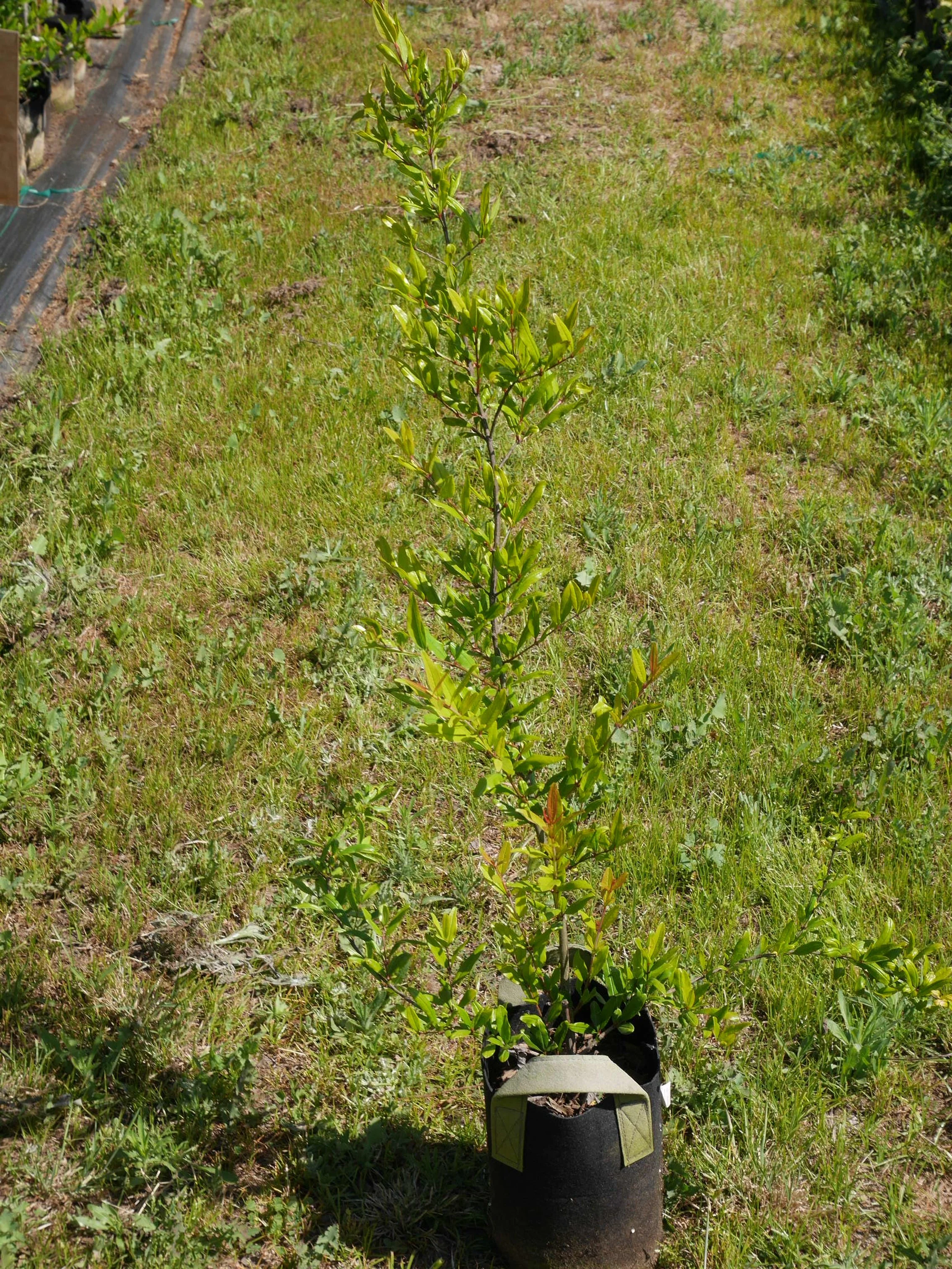
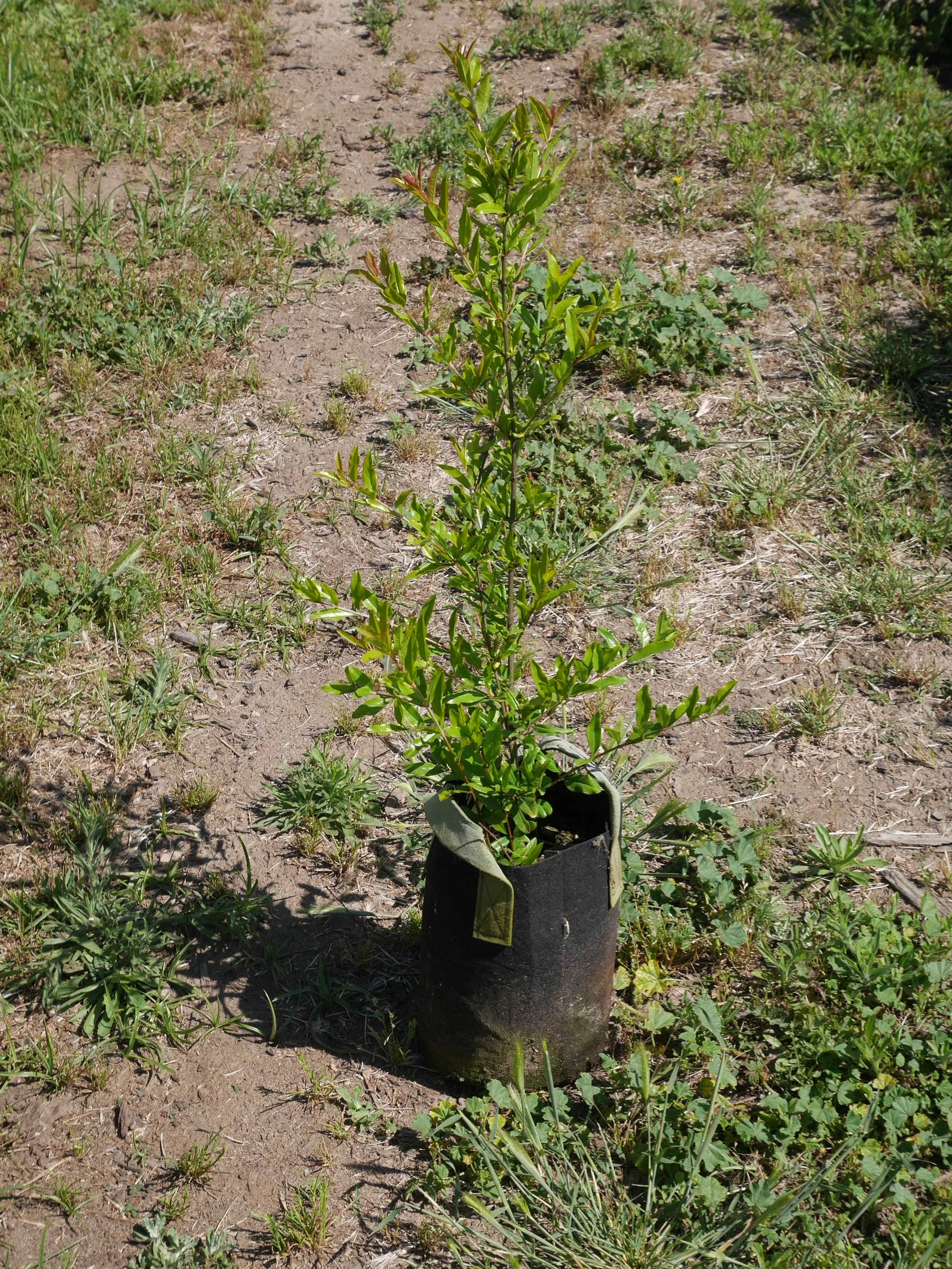
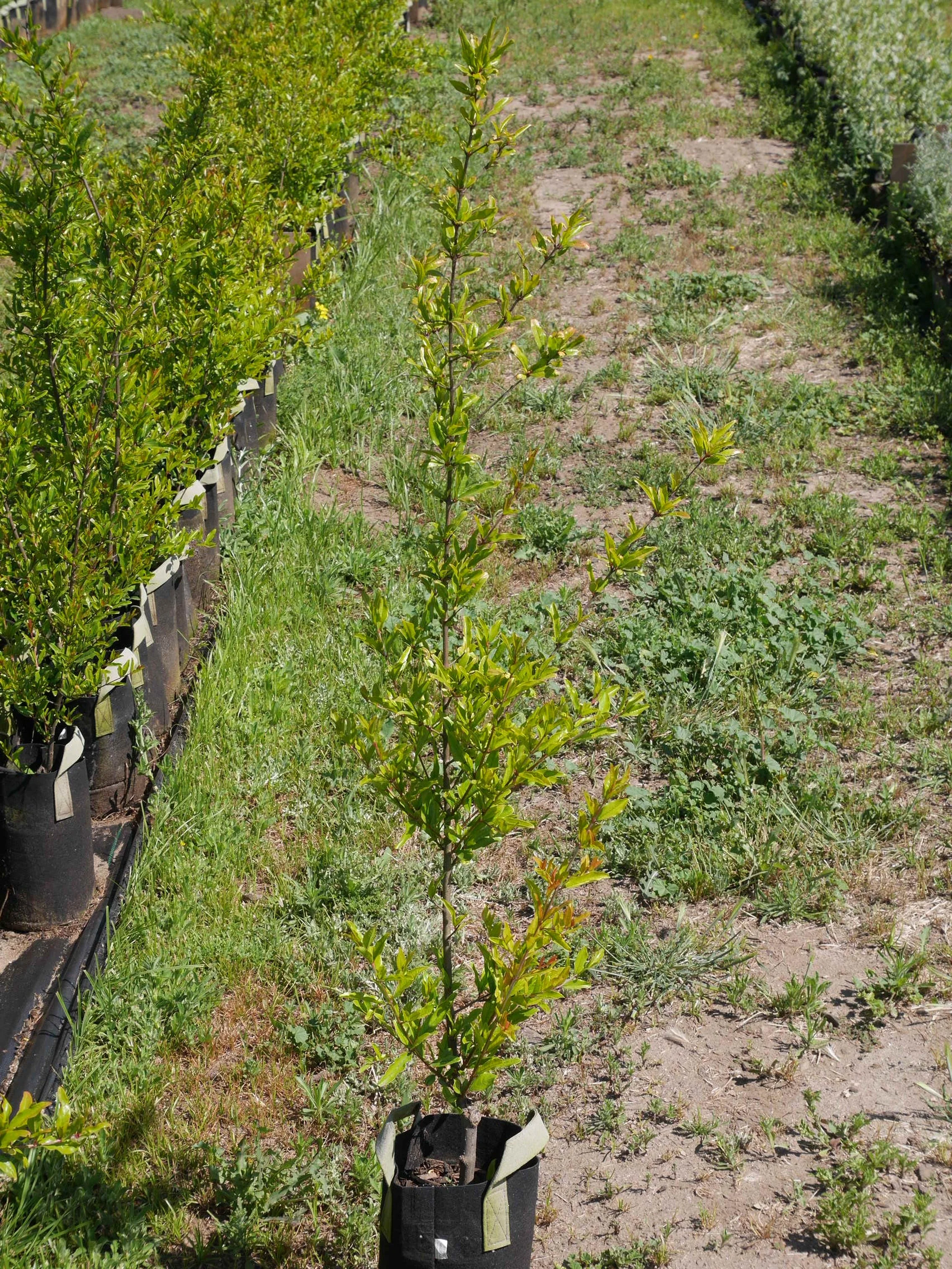
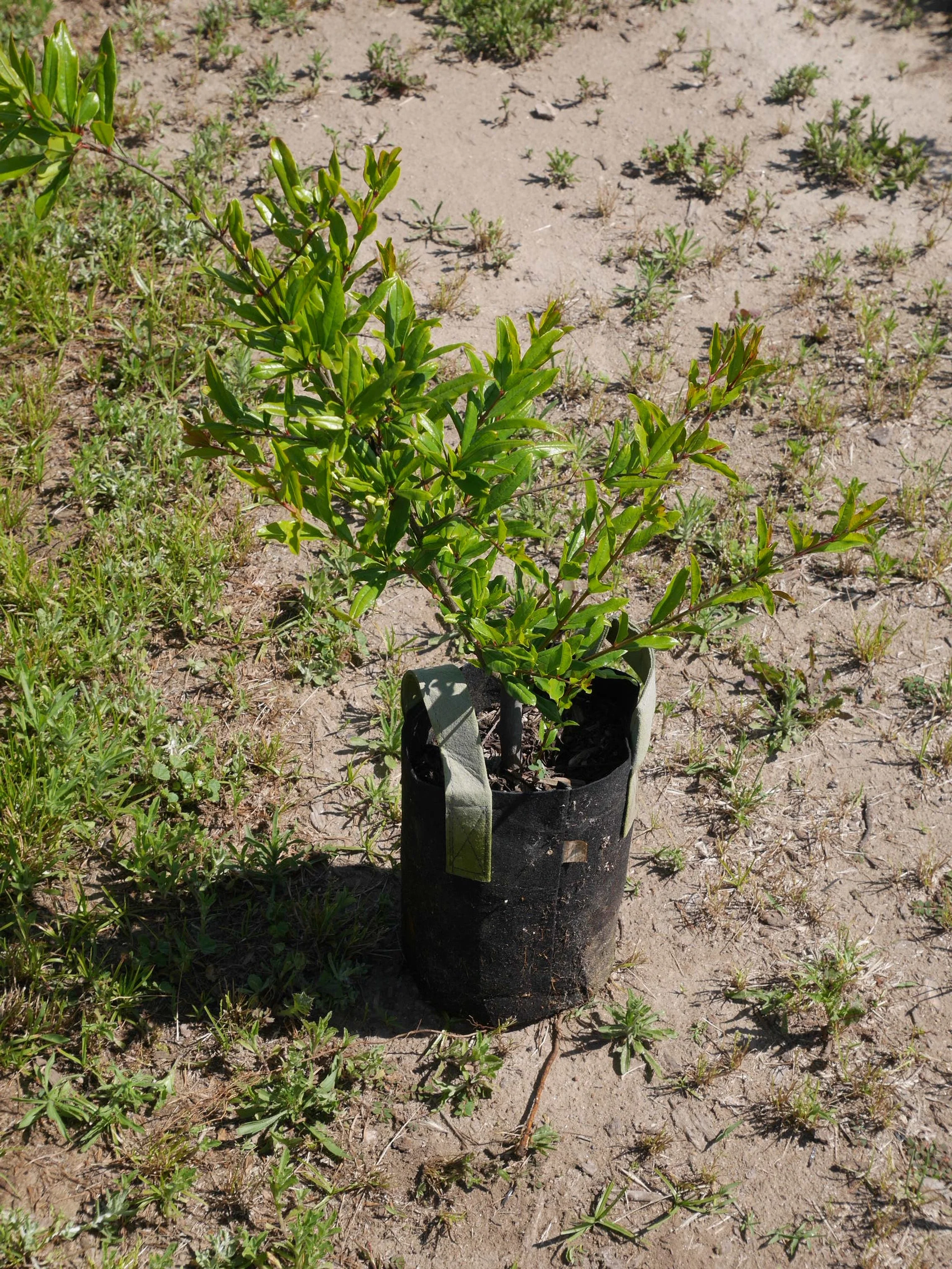
You will receive an actual tree in a cloth pot. We grow our own plants and seeds at our family farm using organic practices only.
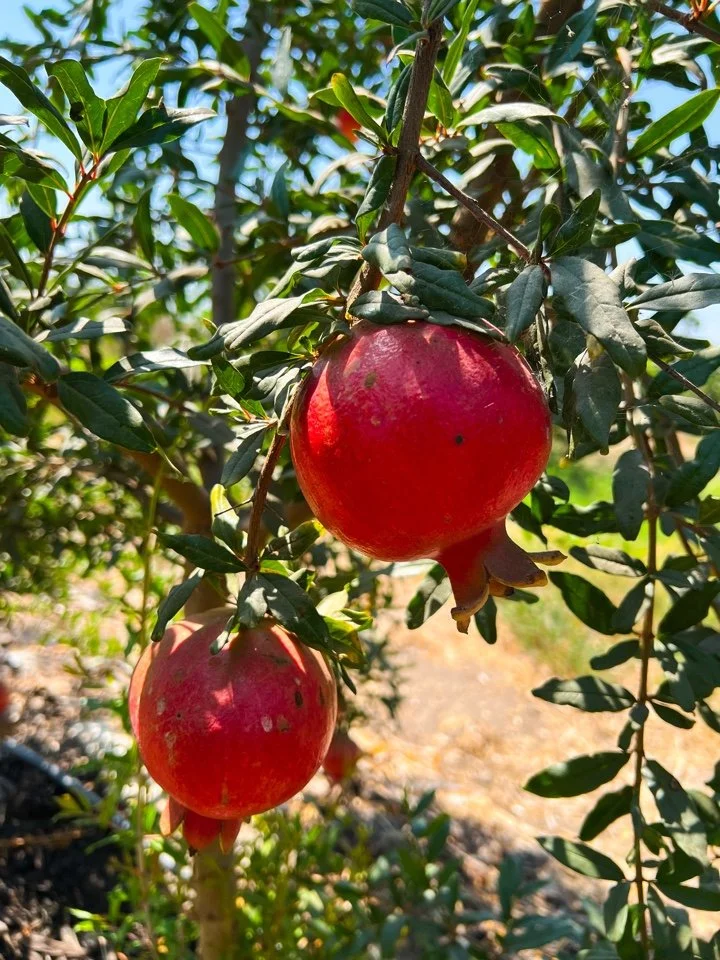
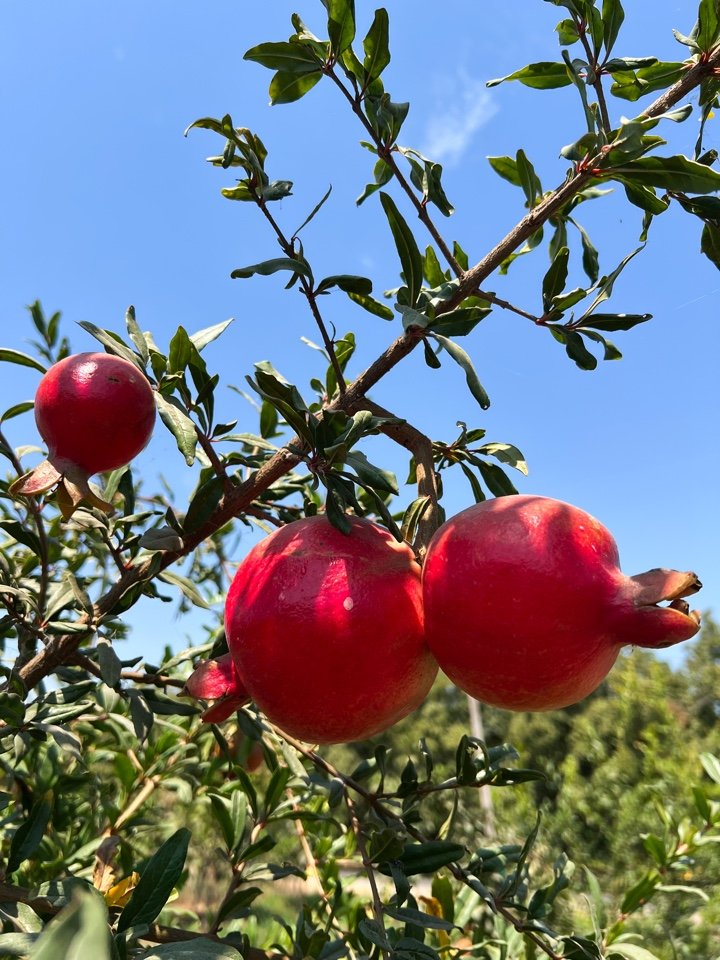
Ruby Red pomegranates are lush, vibrant trees that not only wow your neighbors but also rewards you with delicious, juicy fruits. They are typically baseball to softball size, and are filled with transparent sacs that contain a seed and a flavorful pulp. This resilient plant is not just a pretty face; it's a powerhouse of versatility.
Ambrosia: This variety developed in California produces a large light skinned fruit with pink to light red Arils. The Arils of Ambrosia are exceptionally sweet and the seeds are soft. It is one of our favorite eating pomegranates here on the farm. Harvest is in the middle of pomegranate harvest but due to it’s sweetness it is often good to eat a bit earlier than it achieves full ripeness. Fruit is somewhat more prone to pest and fungal attacks than Wonderful/Utah/Early wonderful but we feel it is worth the effort to grow due to the superior tasting fruit. It is a vigorous tree that grows well and does well in USDA zones 7-11
Ariana pomegranate comes from the collection of the world’s pomegranate expert, Dr. Gregory Levin of Turkmenistan.Its fruits are a bold, bright red with soft, nearly undetectable seeds and rich, sweet flavor. One of the best tasting pomegranates for those who live in the warm climates that can ripen it. It was tied for the top spot as the highest rated Pomegranate in the UC Davis trials in 2008! Grows To: 10 to 12' tall x 4 to 6' wide
Austin pomegranate is originally from Syria but was first introduced to the US in Austin, Texas. It is rapidly gaining popularity for its very large fruits, one pound or more in size, and its plentiful, sweet, lightly tart juice with superior flavor and packed with antioxidants. In spring, bright orange flowers are a bonus followed by the pinkish red fruits that ripen in late summer to early fall. A vigorous grower up to 12 feet tall that serves as an excellent and easy-to-grow large shrub or small tree for the home orchard or edible landscape.
Early Wonderful pomegranate are large, deep red, thin skinned, delicious fruit that ripen two weeks earlier than Wonderful variety. Large, orange-red flowers bloom late and are self-fertile. This highly productive variety is also drought tolerant. Ripens late September to early October. Requires less than 200 hours annual chilling below °F. Cold hardy to USDA Zone 9.
Eversweet: This variety produces a large fruit with a light pink skin and very light pink arils. It gets quite sweet and has very soft seeds so it tastes seedless when eating. Developed in California it is considered ideal in zone 8 but can be grown in zones 7-11, in colder areas it will not get as sweet as in areas with more summer heat. Tree grows well and is disease resistant. Like other very sweet pomegranates the fruit is somewhat more prone to attack by mold and insects than the darker colored and less sweet varieties but it is so worth it produce this superior tasting pomegranate
Grenada pomegranate is a bud sport of Wonderful pomegranate. A bit darker in color, less tart in flavor, and ripens about a month earlier than most pomegranates. Can be shaped to a bush or tree form. Tolerates a wide range of soils. Better for coastal areas than Wonderful. Ripens in September.Self-fertile (planting 2 varieties will increase your fruit yield). Zones: 6-10, Chill Hours: 200
Molla Nepes is a rare variety that came from Dr. Gregory Levin when he was stationed at the Turkmenistan Experimental Station of Plant Genetic Resources, Garrygala. It is a sweet-Tart type, with great flavor and medium to large sized fruit. Red rind with dark red arils and very soft seeds.
Pink Globe Pomegranate: This variety is exclusive to our nursery. We desired a pomegranate that would ripen later in the year to spread out the harvest and allow us to have fresh pomegranates for more of the year than the current varieties so developed this variety. It is a wonderful choice if you want a second tree that will ripen later than other common varieties or if you would like a large pink skinned sweet pomegranate. It is a tree of medium vigor that produces a large pink skinned fruit with sweet arils that are light red in color. The seeds are of medium hardness. We are still developing information on how it does in various climate zones but know it does very well in zone 9a and should preform well in zones 8-10, possibly zones 7-11 but we have not tested the colder areas yet.
Utah Sweet pomegranate is a neat, rounded shrub or small tree that grows 20-30 ft. The attractive pink-orange flowers have 5 to 8 crumpled petals and are red, fleshy and tubular which persists on the fruit. The pomegranate is self-pollinated as well as cross-pollinated by insects which increases the fruit set. The Utah Sweet Pomegranate fruit is very sweet, good quality with pink pulp and skin. The seeds are notably softer than the Wonderful Pomegranate & other cultivars.
Vkusni is a rare variety.Red fruit with dark red arils. Complex sweet-tart taste. Long keeping fruit. High juice yield (60-70%). High juice taste. Thin skinned fruit.
White Pomegranate: Unique variety with whitish-pink colored fruit with transparent white flesh. The fruit is very sweet and juicy when ripe. The fruits of the White Pomegranate tree ripen in early September, before the Wonderful Pomegranate Tree. This amazing natural white pomegranate variety is very unique and the sweetest pomegranate.
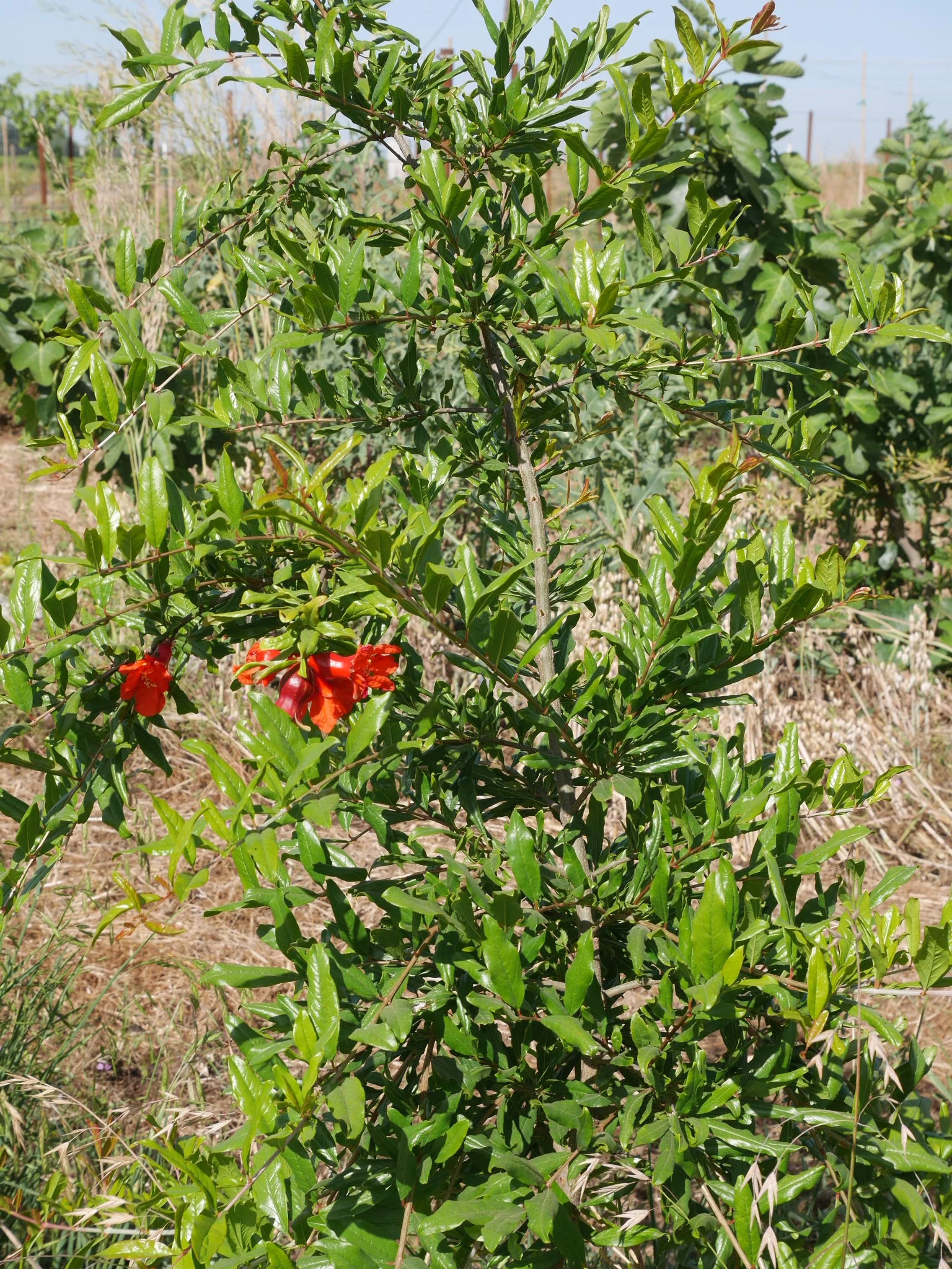
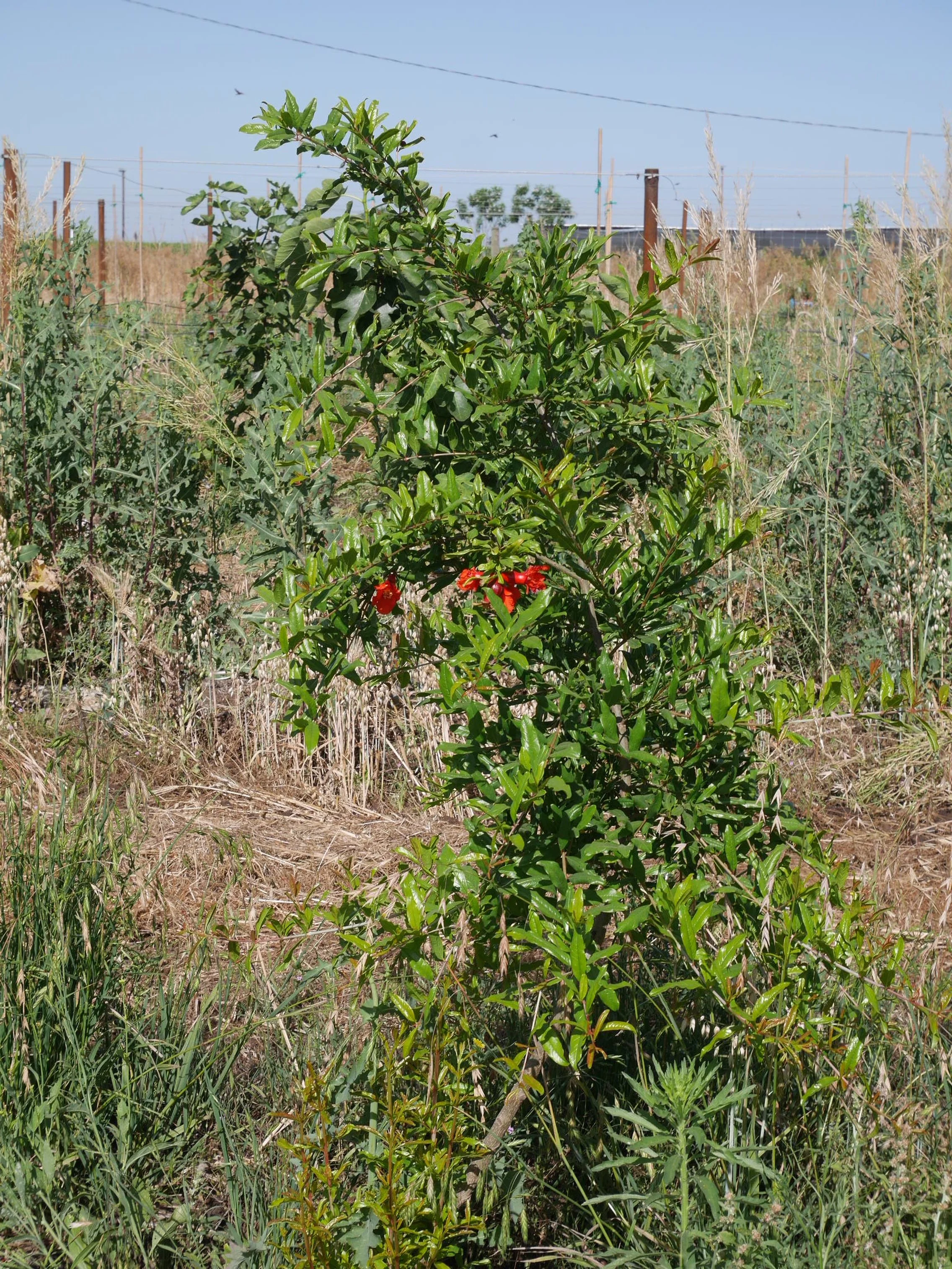
Wonderful pomegranate are hardy trees that produce large crops of sweet, red fruit! This variety is drought tolerant and resists pests, making it a favorite among growers. It also provides beautiful red blooms each spring and summer. Ripens in September to October. Grows quickly, bearing fruit in 2-3 years.
Pomegranates are an amazing fruit tree native to central Asia. They do best in mediteranian climates but can survive further north with careful management. We currently offer 9 varieties of pomegranate and are always on the lookout for more.
Pomegranates are self-fertile, meaning you only have to plant one to get fruit, but two plants can help increase pollination and fruit production.
You will receive an actual tree in a cloth pot. We grow our own plants and seeds at our family farm using organic practices only.
Ruby Red pomegranates are lush, vibrant trees that not only wow your neighbors but also rewards you with delicious, juicy fruits. They are typically baseball to softball size, and are filled with transparent sacs that contain a seed and a flavorful pulp. This resilient plant is not just a pretty face; it's a powerhouse of versatility.
Ambrosia: This variety developed in California produces a large light skinned fruit with pink to light red Arils. The Arils of Ambrosia are exceptionally sweet and the seeds are soft. It is one of our favorite eating pomegranates here on the farm. Harvest is in the middle of pomegranate harvest but due to it’s sweetness it is often good to eat a bit earlier than it achieves full ripeness. Fruit is somewhat more prone to pest and fungal attacks than Wonderful/Utah/Early wonderful but we feel it is worth the effort to grow due to the superior tasting fruit. It is a vigorous tree that grows well and does well in USDA zones 7-11
Ariana pomegranate comes from the collection of the world’s pomegranate expert, Dr. Gregory Levin of Turkmenistan.Its fruits are a bold, bright red with soft, nearly undetectable seeds and rich, sweet flavor. One of the best tasting pomegranates for those who live in the warm climates that can ripen it. It was tied for the top spot as the highest rated Pomegranate in the UC Davis trials in 2008! Grows To: 10 to 12' tall x 4 to 6' wide
Austin pomegranate is originally from Syria but was first introduced to the US in Austin, Texas. It is rapidly gaining popularity for its very large fruits, one pound or more in size, and its plentiful, sweet, lightly tart juice with superior flavor and packed with antioxidants. In spring, bright orange flowers are a bonus followed by the pinkish red fruits that ripen in late summer to early fall. A vigorous grower up to 12 feet tall that serves as an excellent and easy-to-grow large shrub or small tree for the home orchard or edible landscape.
Early Wonderful pomegranate are large, deep red, thin skinned, delicious fruit that ripen two weeks earlier than Wonderful variety. Large, orange-red flowers bloom late and are self-fertile. This highly productive variety is also drought tolerant. Ripens late September to early October. Requires less than 200 hours annual chilling below °F. Cold hardy to USDA Zone 9.
Eversweet: This variety produces a large fruit with a light pink skin and very light pink arils. It gets quite sweet and has very soft seeds so it tastes seedless when eating. Developed in California it is considered ideal in zone 8 but can be grown in zones 7-11, in colder areas it will not get as sweet as in areas with more summer heat. Tree grows well and is disease resistant. Like other very sweet pomegranates the fruit is somewhat more prone to attack by mold and insects than the darker colored and less sweet varieties but it is so worth it produce this superior tasting pomegranate
Grenada pomegranate is a bud sport of Wonderful pomegranate. A bit darker in color, less tart in flavor, and ripens about a month earlier than most pomegranates. Can be shaped to a bush or tree form. Tolerates a wide range of soils. Better for coastal areas than Wonderful. Ripens in September.Self-fertile (planting 2 varieties will increase your fruit yield). Zones: 6-10, Chill Hours: 200
Molla Nepes is a rare variety that came from Dr. Gregory Levin when he was stationed at the Turkmenistan Experimental Station of Plant Genetic Resources, Garrygala. It is a sweet-Tart type, with great flavor and medium to large sized fruit. Red rind with dark red arils and very soft seeds.
Pink Globe Pomegranate: This variety is exclusive to our nursery. We desired a pomegranate that would ripen later in the year to spread out the harvest and allow us to have fresh pomegranates for more of the year than the current varieties so developed this variety. It is a wonderful choice if you want a second tree that will ripen later than other common varieties or if you would like a large pink skinned sweet pomegranate. It is a tree of medium vigor that produces a large pink skinned fruit with sweet arils that are light red in color. The seeds are of medium hardness. We are still developing information on how it does in various climate zones but know it does very well in zone 9a and should preform well in zones 8-10, possibly zones 7-11 but we have not tested the colder areas yet.
Utah Sweet pomegranate is a neat, rounded shrub or small tree that grows 20-30 ft. The attractive pink-orange flowers have 5 to 8 crumpled petals and are red, fleshy and tubular which persists on the fruit. The pomegranate is self-pollinated as well as cross-pollinated by insects which increases the fruit set. The Utah Sweet Pomegranate fruit is very sweet, good quality with pink pulp and skin. The seeds are notably softer than the Wonderful Pomegranate & other cultivars.
Vkusni is a rare variety.Red fruit with dark red arils. Complex sweet-tart taste. Long keeping fruit. High juice yield (60-70%). High juice taste. Thin skinned fruit.
White Pomegranate: Unique variety with whitish-pink colored fruit with transparent white flesh. The fruit is very sweet and juicy when ripe. The fruits of the White Pomegranate tree ripen in early September, before the Wonderful Pomegranate Tree. This amazing natural white pomegranate variety is very unique and the sweetest pomegranate.
Wonderful pomegranate are hardy trees that produce large crops of sweet, red fruit! This variety is drought tolerant and resists pests, making it a favorite among growers. It also provides beautiful red blooms each spring and summer. Ripens in September to October. Grows quickly, bearing fruit in 2-3 years.